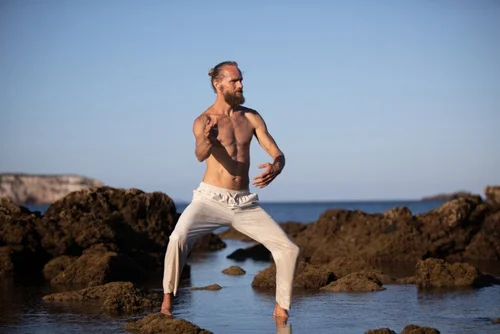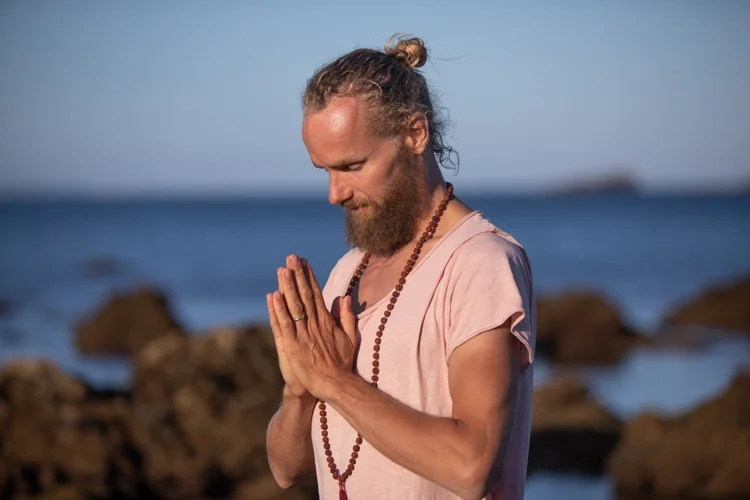
Take a moment and notice your breath right now. Is it fast or slow? High in the chest, or low in the belly? Most of us never pay attention to it, and yet the way we breathe shapes how we feel, every minute of the day.
Many breathwork styles today are fast and intense. But in my experience, slower is often better. In episode 62 of the Speaking Podcast, I talked with Roy Coughlan about exactly this.
To learn more about Roy and his show, visit the Speaking Podcast.
What really happens when you breathe fast
When you breathe fast and deep, you breathe out a lot of carbon dioxide (CO2). We often think of CO2 as just a waste gas, but your body needs it. It helps your blood release oxygen into your cells, and it keeps your blood pH in balance.
So when CO2 drops too low, something surprising happens: your blood vessels narrow, and your brain actually receives less oxygen, not more. That is why fast breathing can give you tingling hands, a light head, and sometimes even make you faint. With good guidance this is not dangerous, but it does ask for care. I explain more in why you can faint during breathwork.
Why slow breathing works so well
When you slow your breath down, especially with a long, gentle exhale, you send a clear message to your nervous system: you are safe. Your heart rate settles, your muscles soften, and your body shifts into rest and recovery. Because your CO2 stays in balance, your cells get the oxygen they need.
And as the breath becomes calm, the mind follows. A slow breath means a quiet mind. You can do it anywhere: at your desk, in traffic, or in bed when sleep doesn’t come. In a way, the breath is a remote control for your whole system, and slow breathing is the button for peace.
So is fast breathwork bad?
Not at all. Strong techniques like Kapalabhati or Bhastrika energise the body, cleanse, and can help release old, stuck emotions. The key is balance. Strong breathwork is about opening up, not about getting high. Practise it with care, never push your limits, and always finish with slow, calm breathing.
Try it now: five minutes of slow breathing
Sit up straight and let your shoulders drop. Breathe in gently through your nose for about four seconds, low into your belly. Then breathe out slowly through your nose for six to eight seconds, as if you are letting go of the day. Continue for five minutes, without forcing anything, and then notice how your body and mind feel.
A note on safety: if you have heart problems, epilepsy or high blood pressure, or are pregnant, ask your doctor before doing strong breathing techniques.
Questions people often ask
How slow should I breathe?
Around five to six breaths per minute suits most people, for example four seconds in and six seconds out. If that feels like too much, start where you are and slowly lengthen the breath.
Should I breathe through the nose or the mouth?
Through the nose, in almost all calm techniques. The nose filters, warms and slows the air. New to this? Start with how to breathe properly with belly breathing.
Is slow breathing good for anxiety?
Yes. A long, slow exhale is one of the quickest ways to calm the body. Read breathwork for anxiety and panic attacks.
Learn breathwork the safe way
If you would like to go deeper, you can learn pranayama and breathwork online with Breath is Life, where I guide you step by step through slow and strong techniques. And if you feel called to guide others, the breathwork coach and pranayama teacher training teaches you the science and safety behind every technique. More conversations are on the podcast page.
Take a slow breath now, and enjoy the calm it brings.
May we all be blessed with peace, love and wisdom.
Michaël