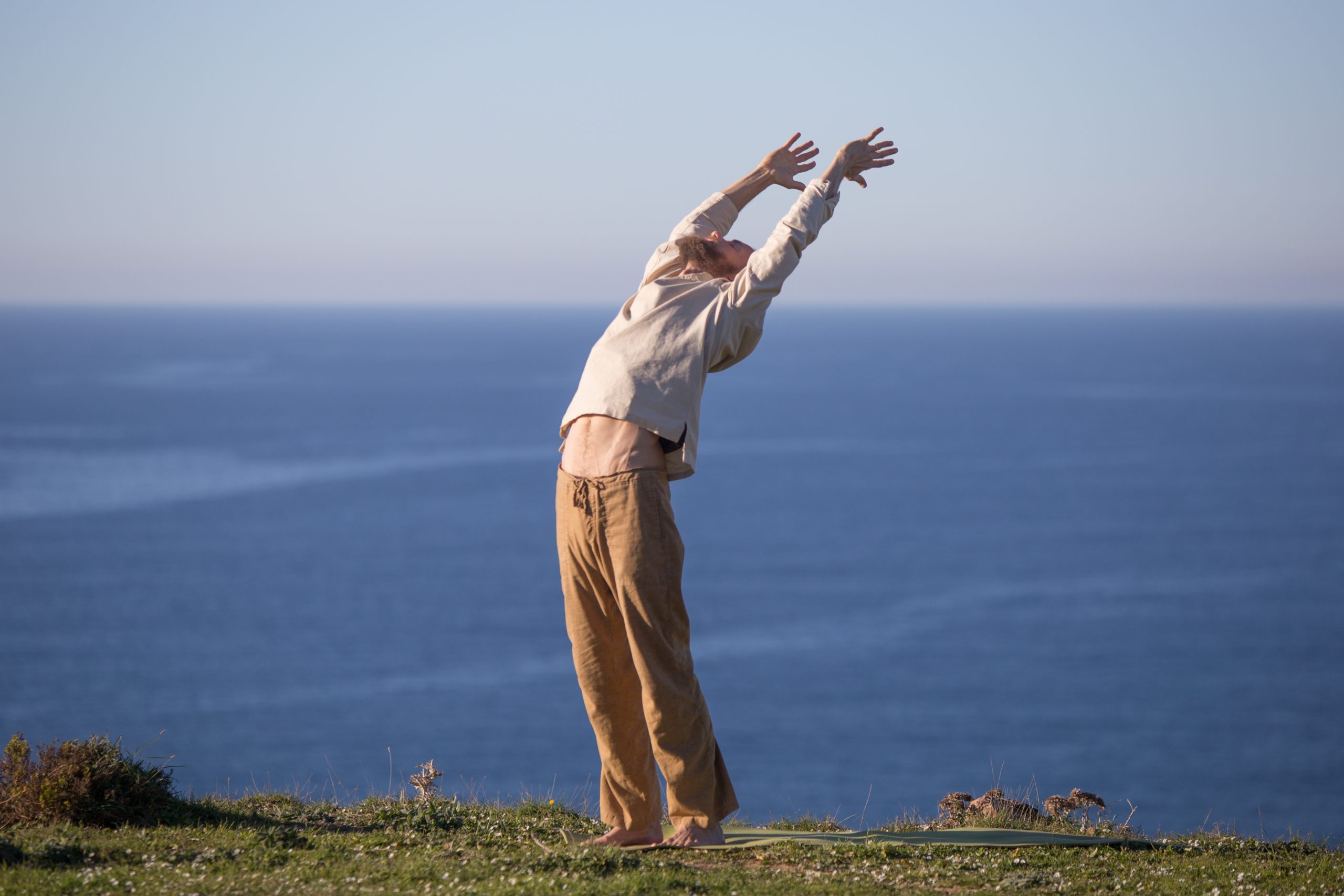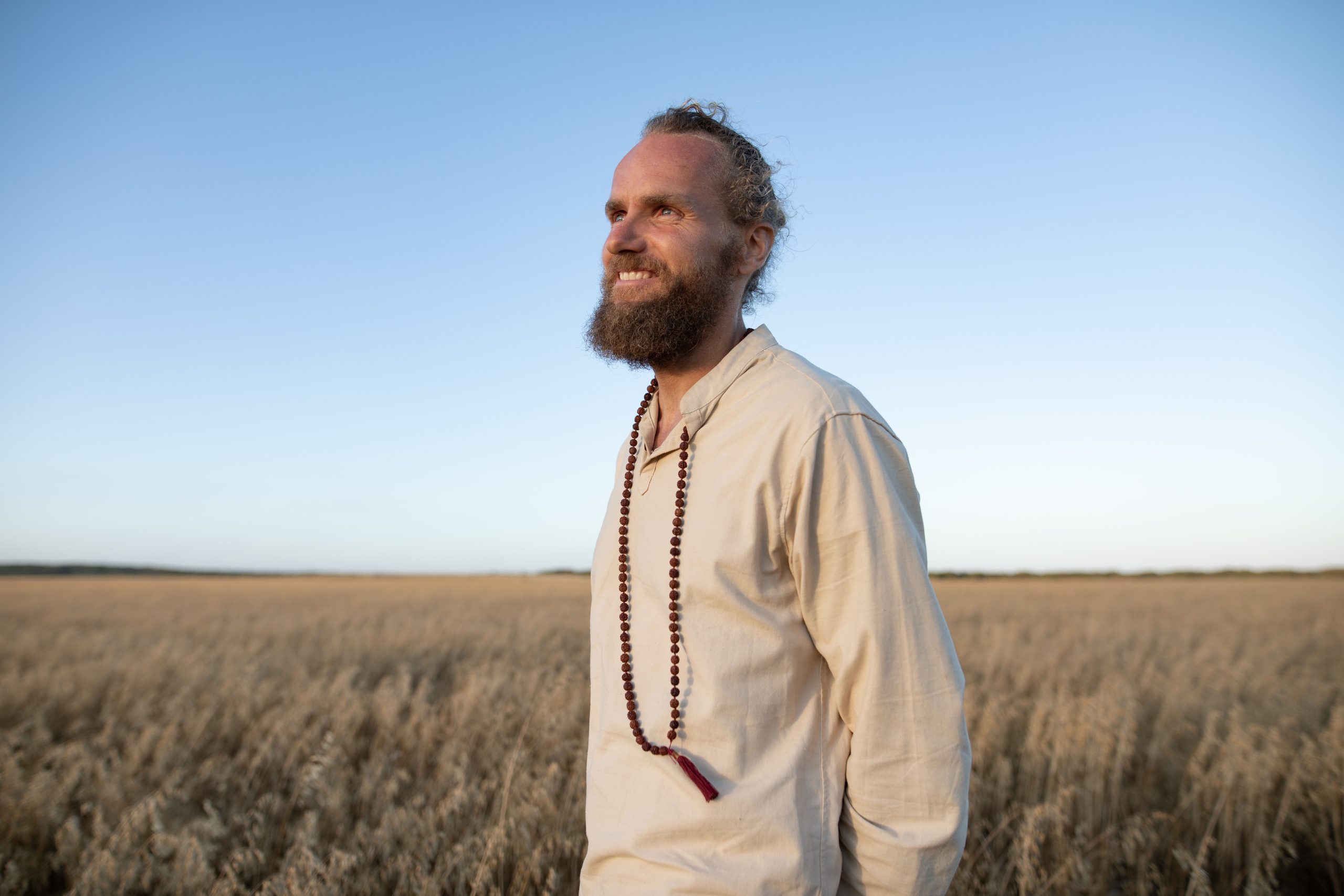
Everyone meets fear and suffering in life. The question is how we relate to it. In this 49-minute conversation on the God Yay or Nay podcast with Noor Kidwai (episode 78, “Breath of Life”), we talk about dealing with fear and suffering, and about practical techniques to transform your life.
To learn more about Noor Kidwai and his podcasts, visit noorkidwai.com or God Yay or Nay on Apple Podcasts.
Why we suffer
A lot of our suffering does not come from what happens, but from how we resist it. We run from pain and chase pleasure, and we get stuck in the stories of the mind about the past and the future. Heaven and hell are not places far away. They are how we experience life, here and now. I write more about this in heaven and hell, here and now.
How meditation helps with fear
Fear lives in the body. It speeds up the breath, tightens the belly and narrows the mind. Meditation teaches you to observe the fear instead of becoming it. You notice: “there is fear”, you breathe, and you feel it without running away. Slowly the fear loses its grip.
Meditation is not about feeling relaxed all the time. It is about becoming aware of where your mind energy flows, and learning to choose where you put it.
Acceptance is not giving up
Acceptance means saying yes to what is here right now, so you can respond with a clear mind instead of reacting from fear. Like a river, you learn to flow with what comes instead of fighting every stone. And the hard moments in life often push us onto our path. They can become our greatest teachers.
A practice for moments of fear
- Put one hand on your heart and one on your belly.
- Breathe in slowly through the nose for four counts, into the belly.
- Breathe out even slower, for six to eight counts.
- Silently say to yourself: “I see you, fear. I am here. I am safe in this breath.”
- Continue for two to five minutes, until you feel the body soften.
For more support, read breathwork for anxiety and panic attacks.
Questions people often ask
Can meditation help with anxiety and fear?
Yes. Meditation trains you to observe fearful thoughts instead of being carried away by them, and slow breathing calms the body’s stress response. Many people find their fear becomes softer and easier to handle. Read more about breathwork for anxiety relief.
What if meditation brings up difficult emotions?
That can happen, and it is a natural part of healing. Go slowly, keep breathing calmly and be kind to yourself. If emotions feel too strong, open your eyes, feel your feet on the ground and take a break. If you struggle with deep trauma or anxiety, work together with a therapist.
How long before I notice a difference?
Many people feel calmer after the very first session. Lasting change in how you respond to fear usually comes after a few weeks of daily practice.
Continue your practice
Learn to work with your mind step by step in the online meditation course, and combine it with the breath in Breath is Life. More conversations are on the podcast page.
May we all be blessed with peace, love and wisdom.
Michaël